
Writing articles is a skill. Teaching it is a different problem entirely.
Most courses give you templates. We give you the reasoning behind the choices — so you can write without them.
Four things that actually shape your writing
After working through thousands of student drafts, patterns become obvious. Here is what separates writers who improve from those who plateau.
Structure before style
A readable article starts with decisions made before the first sentence. We work on argument flow, section logic, and transitions — not just word choice.
Feedback that sticks
Comments like "unclear" don't help. Each review names the exact issue, explains why it matters, and shows what a working revision looks like in practice.
Progress you can measure
Every module ends with a practical writing task. You keep all your drafts, so you can look back after six weeks and see exactly where your thinking changed.
Pace that fits your schedule
Lectures are recorded. Deadlines are weekly, not daily. Nobody is monitoring whether you watched a video at 9am or 11pm.
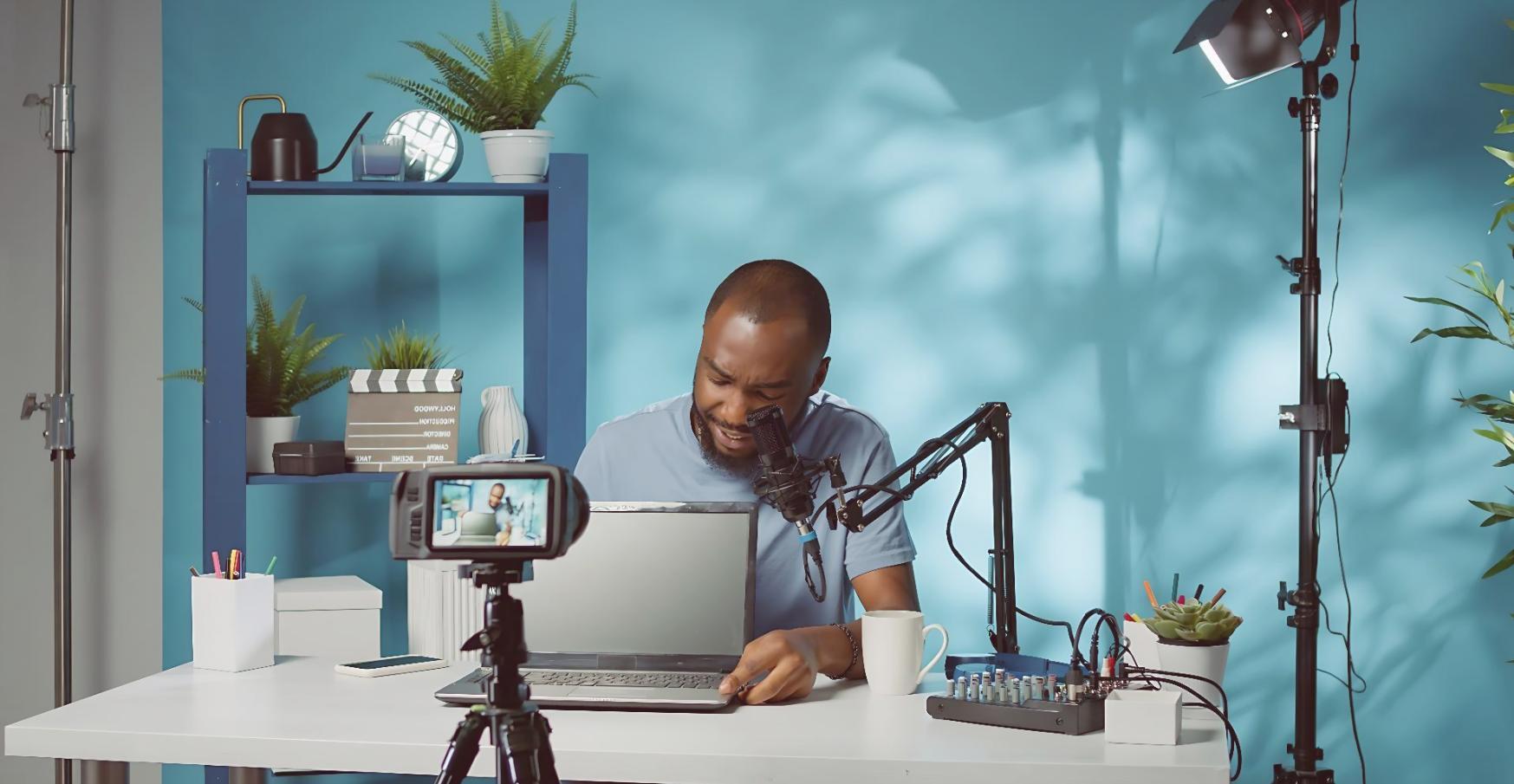
What actually happens in a session
Each lecture follows one question through to a usable answer.
There are no motivational interludes. A session on introductions, for example, covers why readers stop reading, what an introduction actually needs to do, and three structural patterns you can test on your own draft the same day. The lecture ends when the topic is handled — not when a runtime target is hit.

The people who get the most out of this
Not everyone is in the same position when they start.
Some arrive with years of writing experience but no formal understanding of why their drafts sometimes collapse in the middle. Others are starting from scratch and need a framework before they can even identify what's wrong. The lectures are built to be useful at both ends — the concepts are the same, the application differs. A working journalist and a first-time blogger will draw different things from the same session on paragraph structure, and that's the intended outcome.
Ready to write something worth reading?
The program is open. You can review the full curriculum before committing to anything.
See the full program